


Industrial laser marking – DPM – Datamatrix – Fiber laser – CO2 – Micro-percussion – Line integration
Industrial laser marking: a complete guide to permanently identifying your parts
















A label peels off. An ink fades. An industrial laser marking, on the other hand, remains directly inscribed on the part.
For manufacturers, the challenge is not simply to mark a number. It’s a question of guaranteeing durable, legible, controllable and exploitable identification over time: metal parts, plastic components, tools, equipment, implants, railway components, aeronautical parts or products subject to regulatory traceability.
Fiber laser, CO2 laser, UV laser, micro-percussion, scribing, Datamatrix DPM, ATA Spec 2000, UDI, UID or EN rail standards: the right choice depends on material, surface finish, speed, environment, part treatments and integration with your industrial systems.
CIPAM supports industrial industrial laser markingand line integration projects: needs analysis, choice of technology, part testing, quality control, industrial vision, traceability and ERP / MES / WMS connection.
An industrial laser marking project? Test your parts first.
Tests on real materials
Choice of fiber laser, CO2, UV or micro-percussion
Datamatrix DPM marking and camera reading
Line integration, ERP, MES, traceability and quality control
Contents
- What industrial laser marking covers
- Fiber laser, CO2, UV, micro-percussion: what are the differences?
- Which process for which material?
- DPM, Datamatrix and industry standards
- Integrating a marking system into a line
- Use cases by sector
- Costs and orders of magnitude
- Decision matrix
- FAQ industrial laser marking
What industrial laser marking covers
Industrial laser marking consists of inscribing information directly onto a part or product: text, serial number, logo, Datamatrix code, QR code, UDI identifier, batch reference or traceability code.
Depending on the material and the desired result, the laser can act in several ways:
- Ablation: the beam removes a thin layer of material or surface treatment to create a sharp contrast.
- Oxidation or annealing: the laser modifies the surface of the metal without digging deep, producing contrasting markings.
- Carbonization or foaming: on certain plastics, the laser darkens or lightens the material to make the code legible.
- Deeper engraving: the beam digs into the material when the mechanical strength of the marking is a priority.
The rule in the field is simple: you don’t just choose a laser, you choose a technology/material/surface finish/reading requirement combination. That’s why it’s essential to test the laser on real parts before making any investment.
For long-term identification, see also : long-term identification of your technical parts.
Fiber laser, CO2, UV, micro-percussion: what are the differences?
Laser is often perceived as the most modern solution. This is true in many cases, but it’s not always the best choice. Micro-percussion may be more appropriate than laser marking on rough, untreated parts destined for aggressive treatment.
Which process for which material?
Two “aluminum” parts may react differently depending on alloy, anodizing, roughness or surface treatment. This matrix gives an initial orientation, to be confirmed by testing.
Good marking is more than just visible. It must be legible, controllable and usable.

DPM, Datamatrix and industry standards
Industrial laser marking is often used for DPM – Direct Part Marking. The most common code is Datamatrix ECC200, particularly suited to small surfaces and industrial environments.
Depending on your sector, marking may be governed by demanding standards:
- ATA Spec 2000: identification of aeronautical parts and equipment, with traceability and reading quality requirements.
- UID / MIL-STD-130: unique identification of items in defense environments.
- UDI: unique identification of medical devices, particularly for reusable instruments.
- EN rail / ID Rail: durable identification of railway components and rolling stock.
In these contexts, the question isn’t just “is the code marked?”. The real question is: is the code legible, verifiable, compliant and linked to the right business record?
To find out more : Understanding the ATA Spec 2000 standard, CIPAM aeronautical traceability and identify your assets and flows.
Integrating a marking system into a line
A laser may very well mark a part in the laboratory, but fail in production if the integration is badly framed. Success depends on mechanics, control, safety, code reading and data feedback.
The most common configurations
- Manual station: the operator positions the part, starts the cycle and validates the result. Suitable for small production runs and variable parts.
- Semi-automatic station: feeding, clamping and control are partially automated. Suitable for regular flows.
- Line integration: the system receives marking data from ERP, MES or a PLC, marks, checks and sends back the validated event.
Points to lock in at the framing stage
- Identifier generation: ERP, MES, PLC, marking software or middleware.
- Control interface: Ethernet, PLC, OPC-UA, RS232, files or specific protocol.
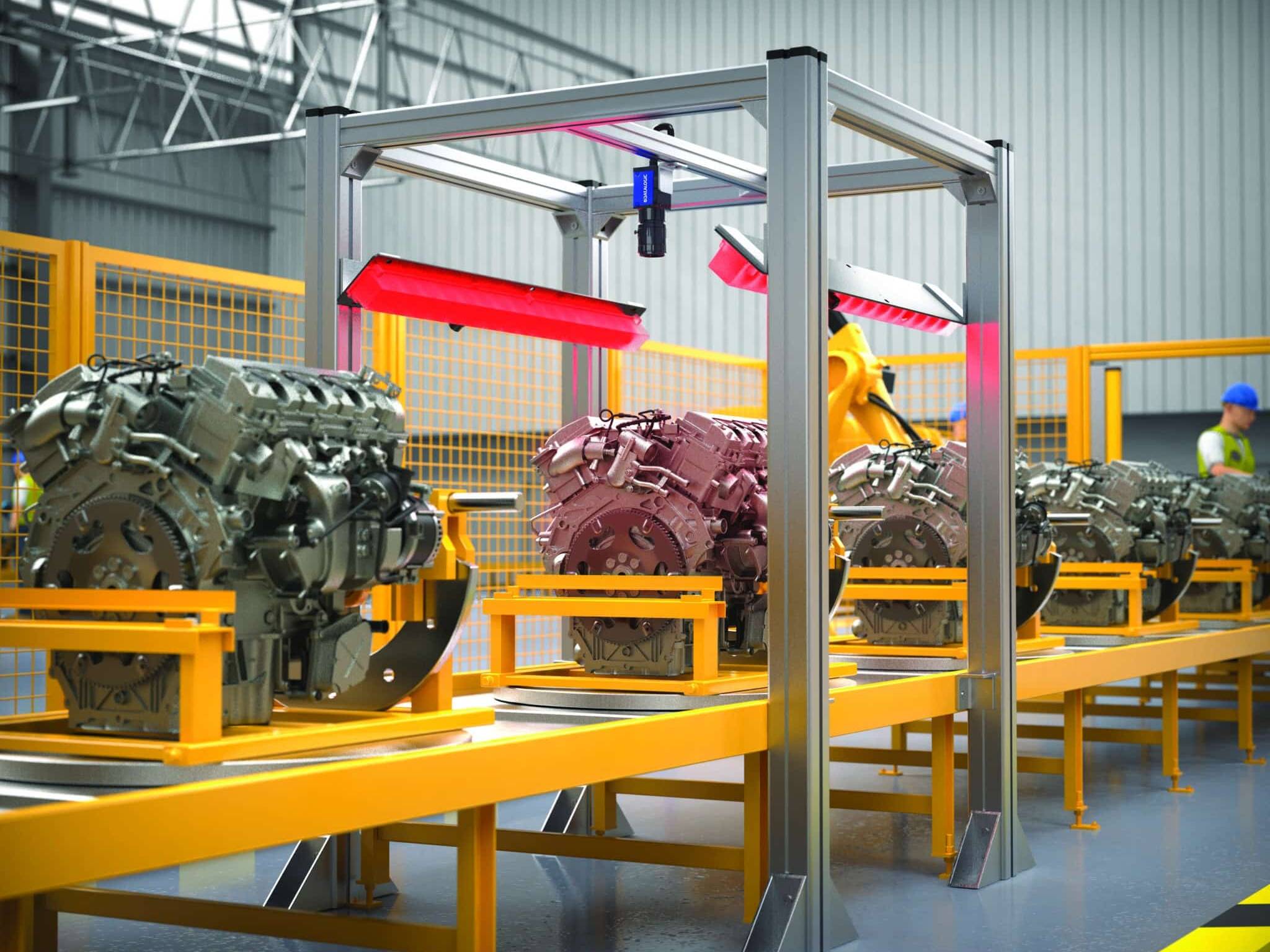
- Quality control: DPM camera, appropriate lighting, Datamatrix reading, expected grade.
- Event traceability: date, operator, serial number, reading result, marking parameters.
- Machine safety: enclosure, interlocking, smoke extraction, workstation compliance.
CIPAM can link marking to your existing environments: ERP, WMS, MES, CMMS and industrial systems.
Use cases for industrial laser marking
Industrial laser marking comes into its own when identification needs to survive handling, processing, product life cycles or regulatory constraints.

Traceability of critical parts, Datamatrix DPM, quality control and identification history in the customer’s system. Marking must remain legible throughout the part’s life cycle.
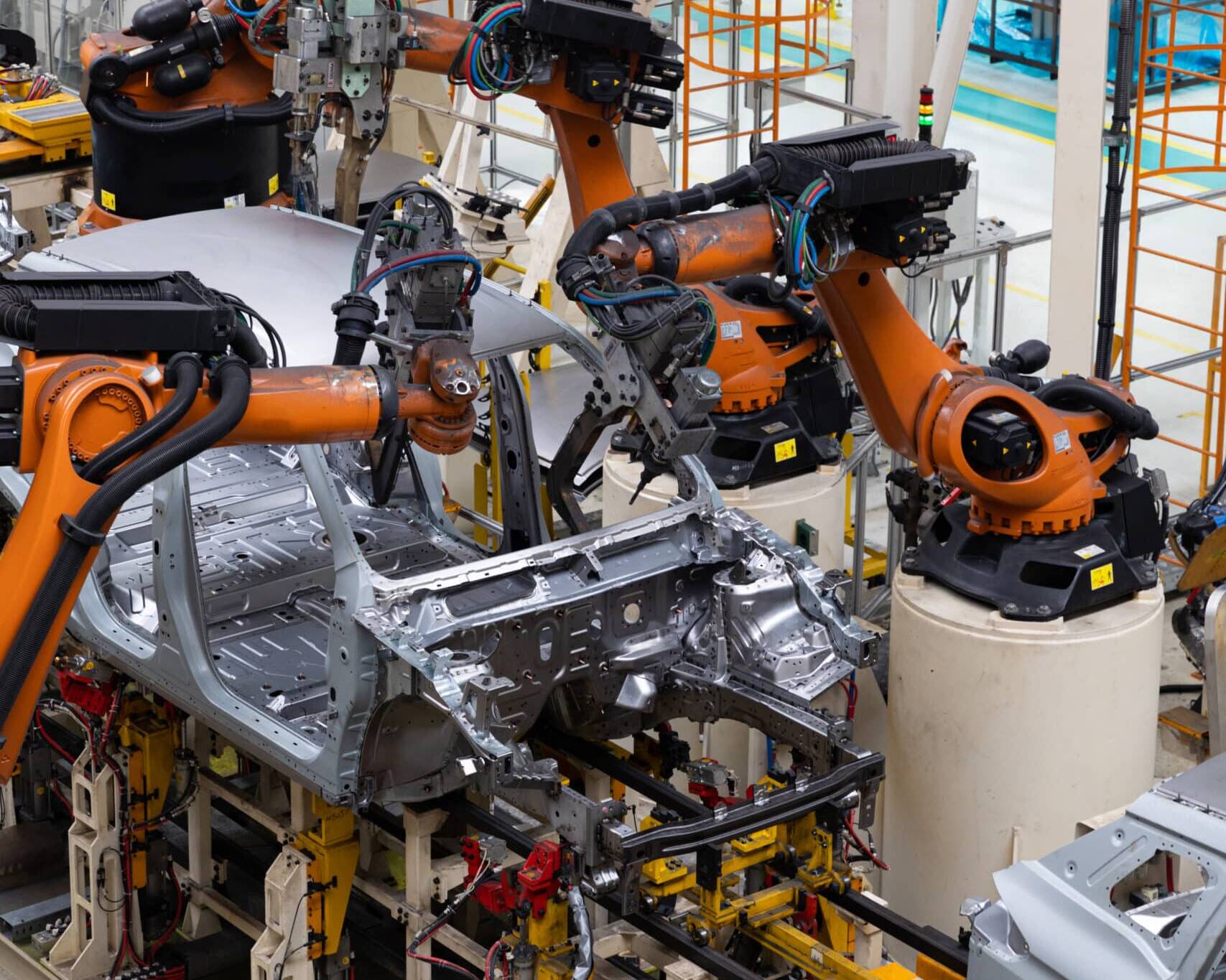
Serial numbers, 2D codes, metal parts, machined components or engineering plastics. Marking enables each part to be linked to a batch, a machine or a manufacturing order.
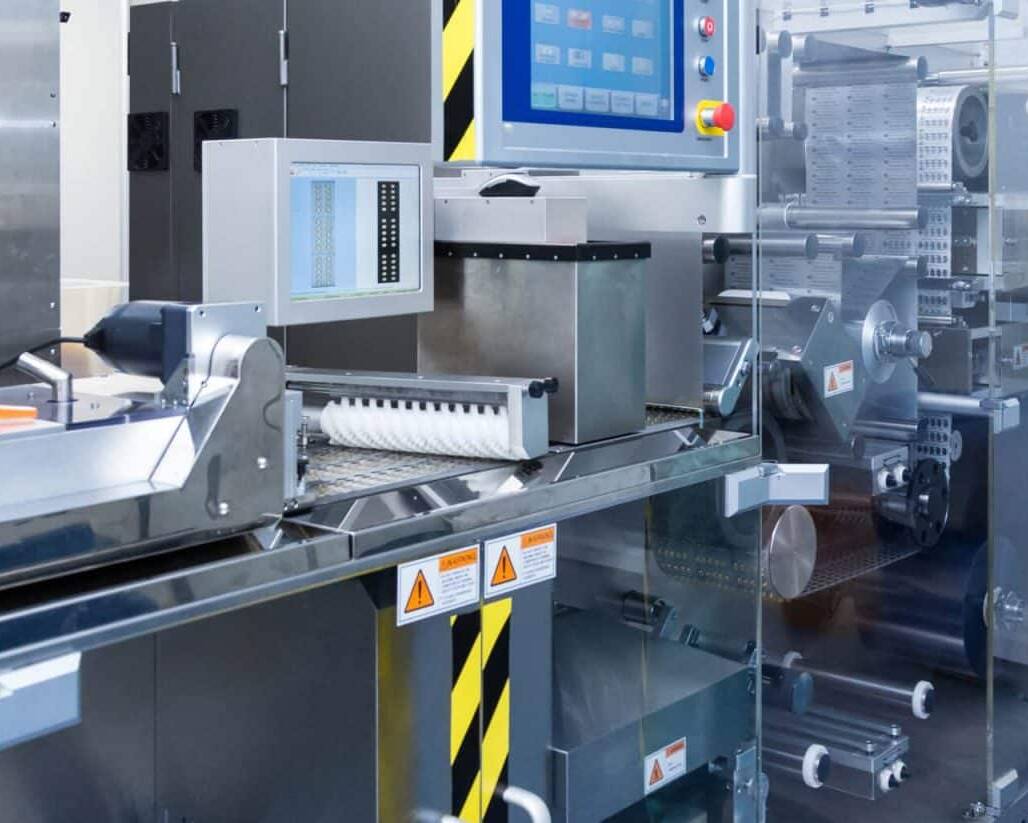
Reusable instruments, implants, stainless steel or titanium components: the marking must remain legible after cleaning, sterilization or repeated handling.
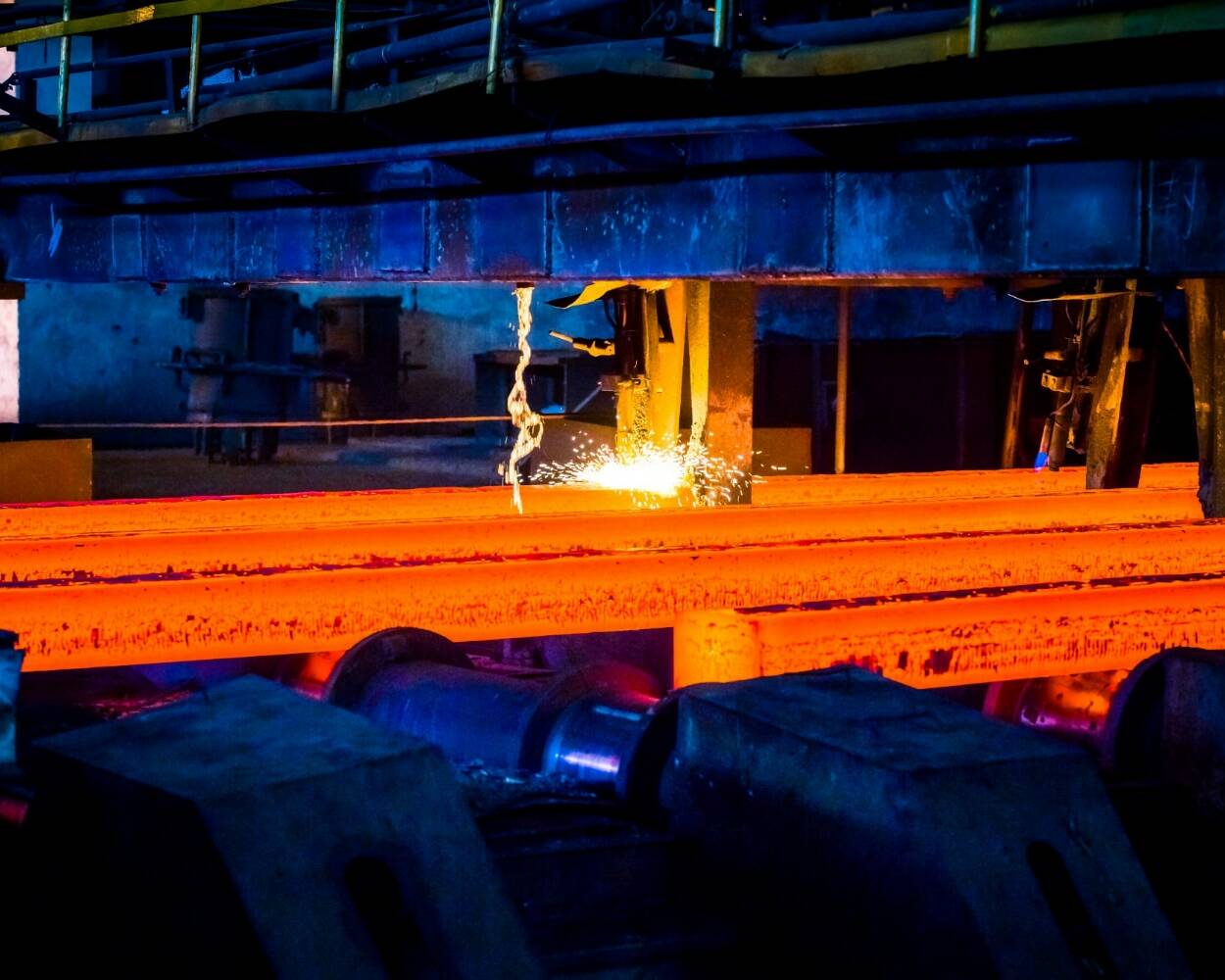
On rough, heavy or pre-treated parts, micro-percussion may be more suitable than laser. The choice is made after testing the material and analyzing the expected resistance.
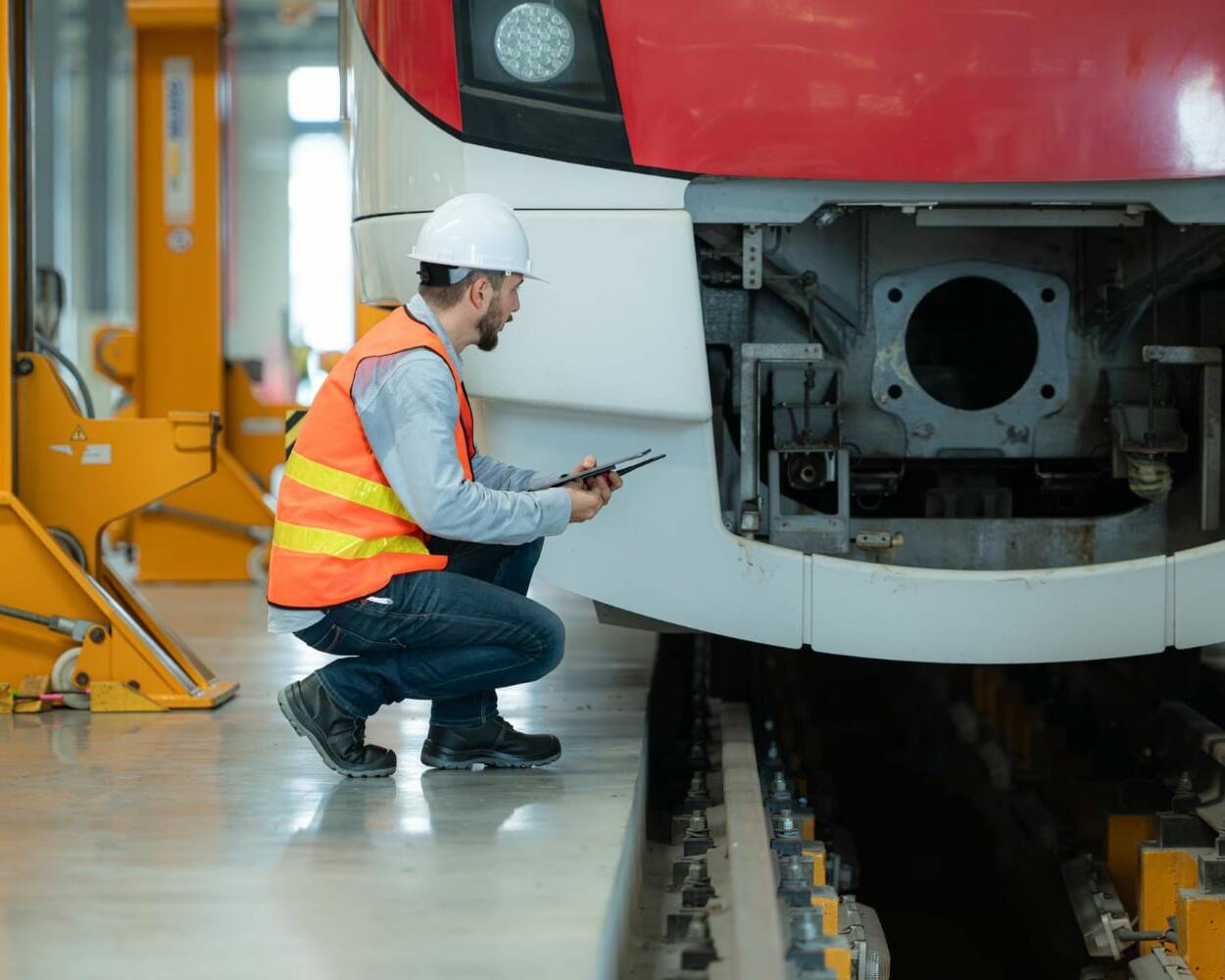
Bogies, maintenance parts, metal components: marking must withstand vibrations, projections, external conditions and overhaul operations.
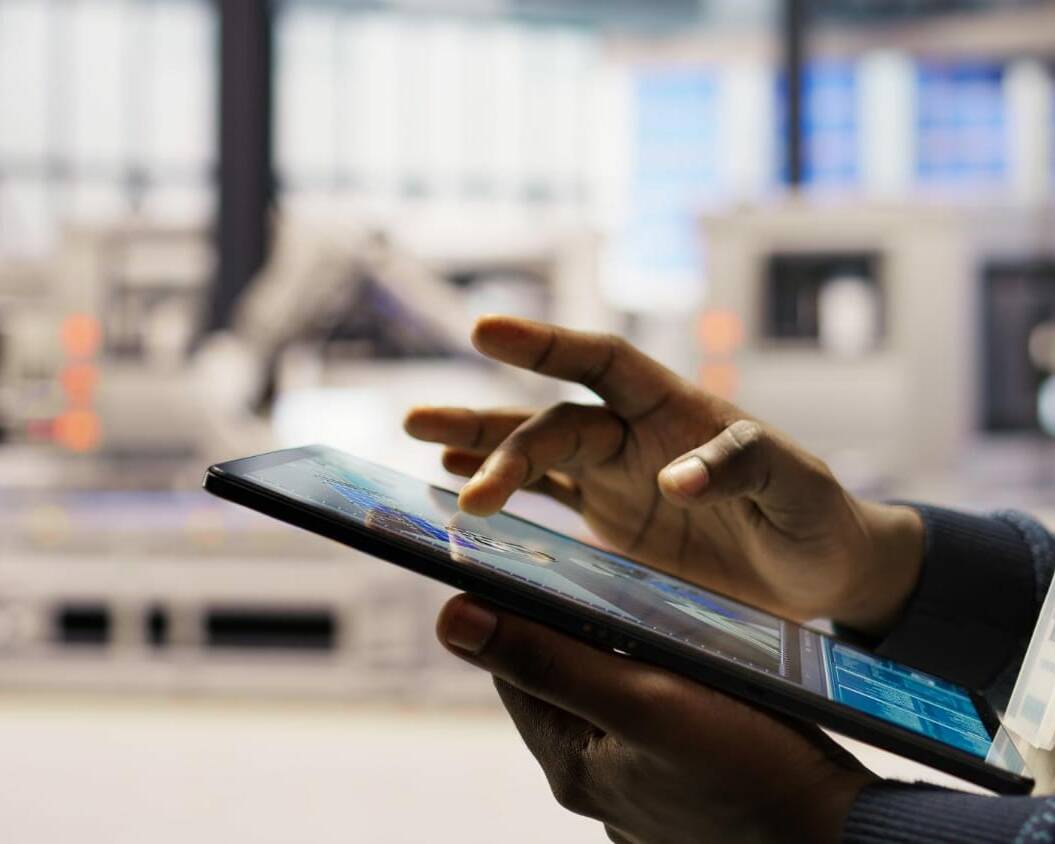
Marking becomes truly exploitable when it is read, controlled, logged and transmitted to the right system: ERP, MES, WMS, CMMS or quality database.
Costs and orders of magnitude
The budget depends heavily on the level of automation, the type of laser, machine safety, camera control and IS integration. The amounts below are orders of magnitude, to be refined according to your specific situation.
*The amounts indicated are orders of magnitude. The cost of a project depends in particular on the marking technology (fiber laser, UV, CO₂, micro-percussion), safety devices, vision systems, level of automation, interfaces with production equipment and traceability requirements.
The right decision is not based on the price of the machine. It’s based on the total cost: identification errors, rework, disputes, non-conformities, flow stoppages, audits and operator time. CIPAM can help you calculate your ROI.
How to choose: the decision matrix
To discover related solutions : CIPAM laser marking systems, field data acquisition and data enhancement.
CIPAM: marking, controlling, reading and integrating your industrial data
Why CIPAM?
An industrial laser marking project involves much more than choosing a laser source. You need to validate the material, secure the station, control the code, ensure reliable reading and connect the information to the right system.
CIPAM can intervene on :
- analysis of traceability requirements and constraints ;
- Process selection: fiber laser, CO2, UV, micro-percussion or scribing;
- tests on real parts ;
- definition of the Datamatrix, the coded content and the expected quality level;
- mechanical and safety integration of the station;
- camera control and DPM playback ;
- connection to ERP, MES, WMS or CMMS;
- maintenance, support and upgrades.
This approach allows us to treat the subject as a whole: marking, reading, checking, historizing and exploiting the data.
Describe your industrial marking requirements
Material, surface finish, applicable standard, cycle time, code format, camera control requirements, ERP/MES integration or maintenance constraints: describe your context and CIPAM will help you define the solution.
Analysis of requirements and material constraints
Part testing and choice of process
DPM control, camera reading and traceability
Line integration, industrial IS and maintenance
FAQ
Frequently asked questions before an industrial laser marking project.
There is no universal process. Fiber lasers are generally best suited to metals. CO2 is relevant for certain non-metals. UV is suitable for sensitive materials. Micro-percussion remains highly effective on rough, rough parts or those requiring deep marking.
Yes, provided that the marking area can be accessed properly. Depending on the case, a manual station, an integrated laser head, a portable system or a micro-percussion solution may be considered.
Datamatrix ECC200 is the preferred choice for industrial DPM marking. It is compact, robust and widely used in the aeronautical, medical, automotive and railway sectors. QR codes are more suitable for consumer use or smartphone reading.
Yes, when the marking carries critical information. A DPM camera can be used to check legibility, code content and sometimes quality grade. This control prevents the discovery of non-conformity further down the flow.
This depends on the treatment and the depth of the marking. If the part is painted or treated after marking, the resistance must be validated by test. In some cases, it is preferable to mark after treatment, or to choose a deeper micro-percussion.
Yes, in most industrial environments. Lasers used for marking require appropriate protection: enclosure, interlock, fume extraction and compliance with machine safety rules.